SpikNir: talk crypto with enthusiasts, beyond the price charts
Talk crypto with enthusiasts on SpikNir: video conversations, Bitcoin questions and learning together. Six ideas to start a…
📅 October 8, 2026
Buying your first bitcoin, choosing mining software, recovering transaction records or accepting crypto payments call for different tools. BitcoinLink brings together services by purpose, reviews explaining their fees and conditions, and guides that help you understand the next step.
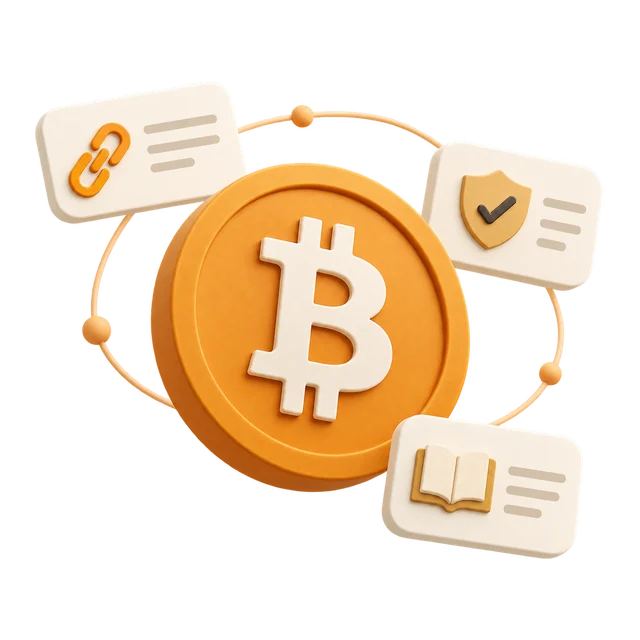
Start with your goal. Exchanges handle buying and selling; mining software, tax tools and payment services have different jobs. Choose a category, then read about the service before visiting its website.
Already know a name? Use the search. If you are deciding between services, our reviews explain how they work and which conditions matter for your use.
A familiar brand or lengthy feature list is only a starting point. We look at what a service does, what it costs and who can use it. Reviews cover the checks to make before signing up, including limitations that may affect your choice.
API permissions, authentication, custody and withdrawal conditions: we explain the stated measures and useful precautions. One security feature cannot guarantee the whole service.
Mining, advertising and paid services involve both revenue and expenses. We distinguish what a tool enables from results it cannot promise.
Our guides approach transactions, wallets and crypto uses through practical questions, so you understand the steps and what to check.
Payment methods, orders, commissions and withdrawals should fit how you plan to use an exchange. Availability and pricing may vary by account and country.
Reviews explain the scope of the analysis. Where practical testing is included, its conditions should be clear. Documentary research is not a security audit.
Found a platform in the directory? Consider your first action: depositing money, buying an asset, withdrawing to a wallet or connecting a tool. Our reviews explain features, costs and access conditions to help you prepare.
Explore Binance, Coinbase, Kraken and KuCoin for exchanges, alongside mining, tax and payment tools for more specific needs. Your goal and the services available in your country shape the choice.
Why do transfer fees change? How does mining work? What can a decentralised application do? On the BitcoinLink blog, we explain the mechanisms behind the terms you encounter throughout crypto.
Start with a question relevant to you, then explore related topics. Check the date and context of technology or trend articles: a guide helps you understand rather than predict the next price move.


Talk crypto with enthusiasts on SpikNir: video conversations, Bitcoin questions and learning together. Six ideas to start a…
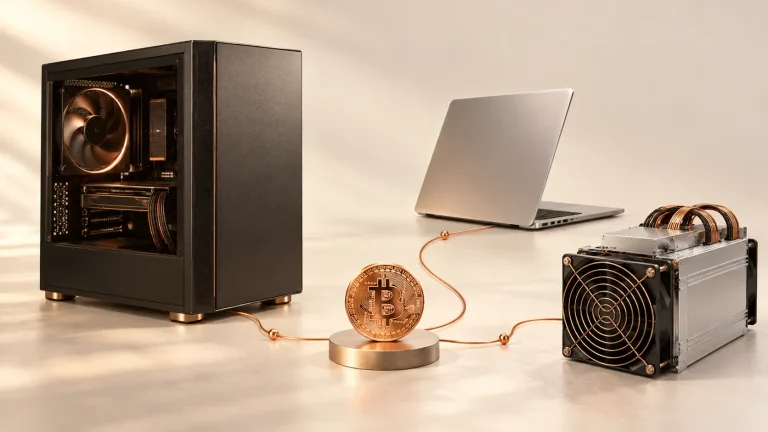
Compare Cudo Miner, NiceHash and Hive OS: PC/Mac compatibility, electricity costs and withdrawals. Pi and Bee invitation codes…

Compare Kraken, Coinbase and Binance: buying methods, real costs and withdrawals. Our checklist and detailed reviews help you…

Compare Bitcoin and altcoins by purpose, consensus, supply, control and network. Learn why a low token price or…
Bitcoin is a useful starting point for understanding digital transfers, transaction verification and managing your own access to assets. These six points explain the network and the questions it raises.
Bitcoin can be sent to another address without a bank maintaining the ledger. Fees and timing depend on the network used and current conditions.
The current protocol rules set a limit of 21 million bitcoins. Limited issuance is part of its design, but does not determine its market price.
The blockchain records transactions. Nodes check network rules, while miners help add blocks through proof of work.
Bitcoin can transfer value, pay a merchant who accepts it or be held as an asset. Tools and local rules affect how it can be used.
Its price can fluctuate sharply. Separate network operation, actual uses and market movements rather than judging it by the latest rise or fall.
Blockchain transactions can be inspected publicly. Addresses need not show names, but movements can be linked to other information; that is not automatic anonymity.
Check Bitcoin, Ethereum and the other assets shown below. Market capitalisation compares their size, without measuring quality or future potential. Prices are in US dollars and data is updated once a day. The full ranking lets you search for an asset and compare changes over different periods. Open an asset for its detail page.
Looking for a place to buy or sell? Explore the exchange category and its reviews. The displayed price is a reference, not the final price of a purchase on an exchange.
Wallet, private key and address appear from your first transactions. Knowing the differences helps you understand the tools and which information to share.
Clear guides and honest reviews of crypto platforms, wallets and tools, whenever there is something worth reading.
Join free in 10 seconds